What Are High Lumen LED?
December 5, 2025
Read:787
Source: Ledestar
What Defines a High Lumen LED and Why Does It Matter?
High lumen LEDs represent one of the most impactful technological advancements in the modern lighting industry. A high lumen LED is designed to deliver significantly higher luminous flux compared with conventional LED packages, meaning it produces more visible light per unit of electrical power. This capability makes high lumen LEDs essential for environments where strong, stable illumination is necessary—such as industrial facilities, outdoor roadways, tunnels, large-area security lighting, and commercial spaces. The importance of high lumen output goes beyond brightness; it is directly tied to energy efficiency, long-term reliability, and system-level performance. As infrastructure lighting becomes more demanding, high lumen LEDs allow cities and enterprises to reduce energy expenses while improving safety and visual comfort.
How Do High Lumen LEDs Achieve Superior Efficiency?
The breakthrough performance of high lumen LEDs is rooted in advanced semiconductor engineering and package optimization. Manufacturers continuously improve chip structures, epitaxial layers, phosphor blends, and optical extraction efficiency to maximize lumen output. High-quality phosphor materials convert blue light into white light more efficiently, while enhanced encapsulation techniques increase photon extraction. Additionally, designers use reflective cup structures, optimized silicone encapsulants, and anti-sulfurization materials to protect optical stability. These design improvements allow high lumen LEDs to maintain strong luminous efficacy even under high current operation. As efficiency standards tighten worldwide, these LEDs play a vital role in enabling environmentally friendly lighting systems.
Why Is the 5050 LED Package a Leading Choice for High-Lumen Applications?
Among various LED packages, the 5050 LED has emerged as a leading high-lumen solution due to its balanced construction, generous footprint, and excellent thermal performance. The 5.0 × 5.0 mm size provides sufficient space for larger chips or multi-chip configurations, boosting overall luminous flux. Its structure supports higher drive currents while maintaining controlled junction temperatures, making it ideal for high-power luminaires. This package is widely used in flood lights, tunnel lights, street lights, stadium luminaires, and exterior architectural lighting systems. The 5050 platform also allows for precise optical coupling with secondary lenses, making it one of the most versatile and performance-driven LED packages available for both industrial and outdoor illumination.
What Makes Ledestar’s 5050 High Lumen LED Stand Out?
Within the high lumen LED category, the Ledestar 5050 LED series is engineered to achieve an exceptional efficacy of up to 250 lm/W, positioning it among the highest-performing outdoor-lighting LEDs on the market. This level of luminous efficacy dramatically reduces energy consumption and system heat, allowing lighting manufacturers to produce luminaires with lower wattage but uncompromised brightness. The Ledestar 5050 LED excels in outdoor lighting conditions—street lights, tunnels, parks, ports, stadiums, and industrial exterior environments—where long-term stability and high brightness are mission-critical. Its optimized thermal design, robust encapsulation, and superior lumen maintenance make it an ideal choice for customers seeking a high-performance, cost-effective solution for next-generation lighting applications.
| LED Chip | Ledestar LEDs | Current(mA) | Voltage Typical(V) | Ra | LPW(lm/W) |
|---|---|---|---|---|---|
| 5252-520T | 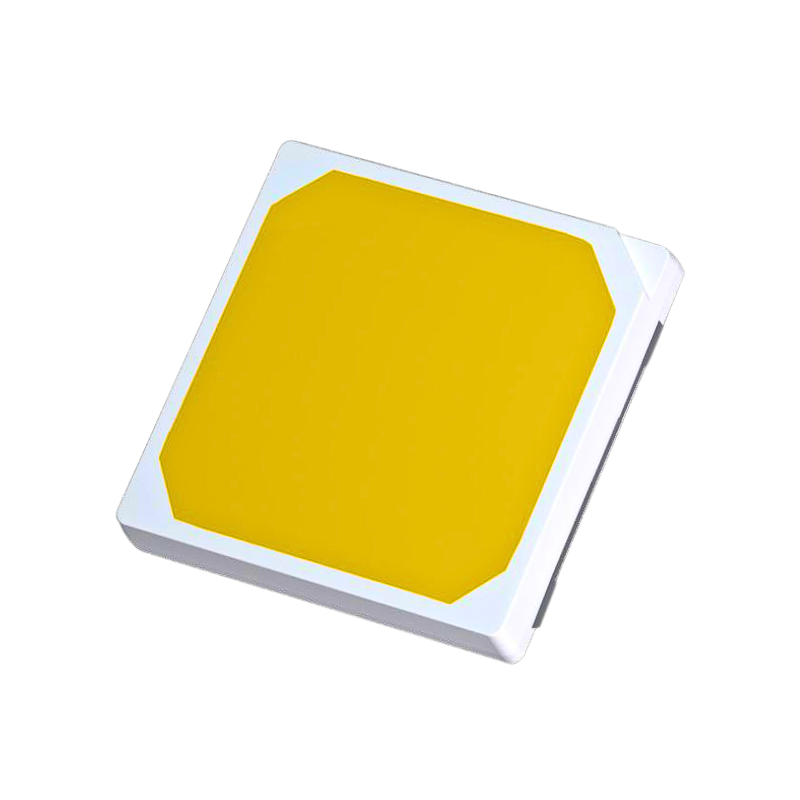 | 150 | 6 | 70 | 260-270 |
| 5050-510K | 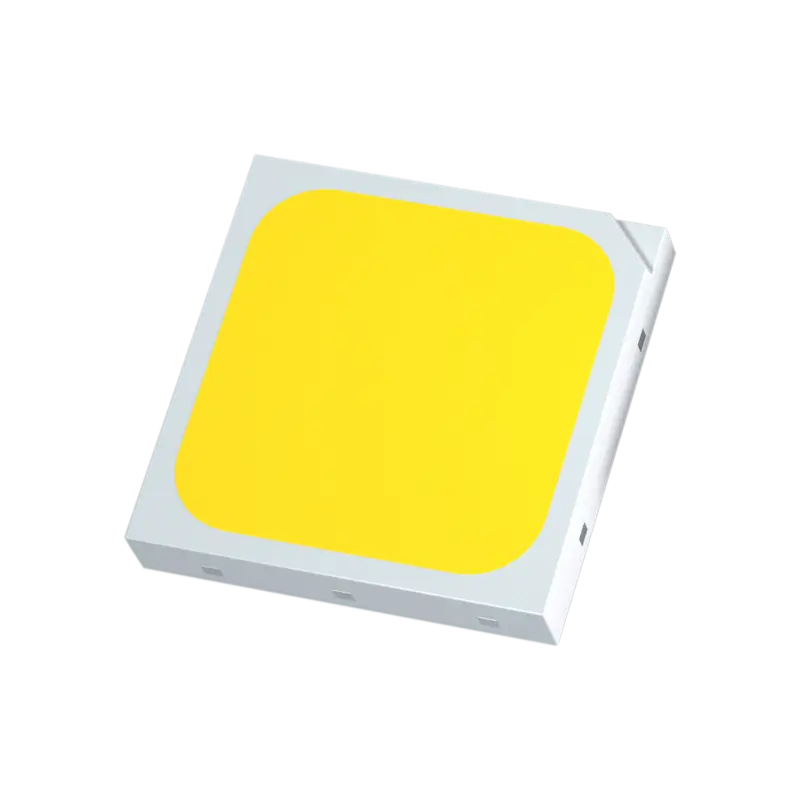 | 150 | 6 | 70 | 245-255 |
| 5050-510T |  | 150 | 6 | 70 | 250-260 |
| 5050-508T | | 150 | 6 | 70 | 255-265 |
How Does Thermal Management Influence High Lumen LED Performance?
Thermal control is one of the most important factors affecting LED performance and lifespan. High lumen LEDs generate more concentrated power output, and therefore require efficient heat dissipation to maintain stability. Elevated junction temperatures result in reduced brightness, decreased efficiency, and accelerated degradation of internal components. To counter these challenges, high lumen LEDs—including 5050 packages—use advanced substrates such as ceramic or copper-based metal-core PCBs to provide low thermal resistance. Improved bonding materials and silicone encapsulation further enhance heat conduction. Through these innovations, high lumen LEDs maintain strong lumen output even under high drive currents, ensuring reliable long-term operation in demanding outdoor and industrial conditions.
How Do Optical Improvements Enhance the Effectiveness of High Lumen LEDs?
Optical engineering is another key factor that shapes the performance of high lumen LEDs. Modern lighting systems rely on carefully designed lenses, reflectors, and optical films to capture and direct light efficiently. High lumen LEDs benefit from improved light extraction features that minimize internal reflection and photon loss. Secondary optical lenses—commonly used with 5050 LEDs—enhance beam shaping, reduce glare, and provide uniform illumination patterns that comply with roadway lighting standards. These optical advancements help lighting designers achieve desired photometric performance with fewer LEDs per luminaire, further optimizing cost and energy efficiency.
How Do High Lumen LEDs Create Significant Energy Savings?
The shift from traditional lighting to high lumen LEDs has produced unprecedented energy savings across global markets. Older technologies such as metal-halide or high-pressure sodium lamps typically offer only 80–100 lm/W, while modern high lumen LEDs reach 180–250 lm/W. This efficiency difference translates directly into lower electricity costs and drastically reduced carbon emissions. Cities that upgrade to high lumen LED street lights frequently see energy cost reductions of 50% or more, alongside longer maintenance cycles due to extended LED lifetimes. For large industrial facilities, switching to high lumen LEDs reduces operational overhead and supports sustainability initiatives without compromising illumination quality.
What Scientific Parameters Determine High Lumen LED Quality?
The performance of a high lumen LED is defined by several scientific metrics, including luminous flux (lm), luminous efficacy (lm/W), junction temperature (Tj), thermal resistance (Rth), chromatic stability, and lumen maintenance (Lm80/Lm90). High lumen LEDs utilize advanced epitaxy, chip scaling, and phosphor optimization to increase light extraction and maintain color stability during operation. Anti-sulfurization measures ensure long-term optical consistency in outdoor environments. High purity silicone materials provide UV resistance and protect internal structures from moisture and dust. These scientific improvements collectively produce LEDs that are not only bright, but also stable, durable, and capable of long-term performance under harsh conditions.
How Do High Lumen LEDs Contribute to Sustainability?
High lumen LEDs significantly contribute to global sustainability goals by reducing power consumption and lowering environmental impact. With higher luminous efficacy, lighting systems require less electricity to reach the same brightness levels, thereby reducing carbon emissions from power generation. LED-based lighting systems also contain fewer hazardous materials and offer longer lifespans, cutting down on waste and maintenance requirements. Many companies use high lumen LEDs to comply with government energy regulations and to support green-building certifications. As nations push toward carbon neutrality, high lumen LEDs will continue to play a central role in the transformation of lighting infrastructure worldwide.
Why Are High Lumen LEDs Suitable for Diverse Applications?
One of the greatest strengths of high lumen LEDs is their versatility across multiple markets. In outdoor lighting, they ensure safety and visibility in streets, parking areas, ports, and tunnels. In horticulture lighting, high lumen LEDs support strong photosynthetic photon output, enabling growers to reduce electrical costs while optimizing plant development. In architectural and façade lighting, their high brightness and compact size enable dynamic aesthetic designs. Their long lifespan and resistance to vibration also make them ideal for mining, transportation, emergency lighting, and industrial manufacturing. This broad adaptability ensures that high lumen LEDs remain the leading choice for both performance and reliability across modern lighting systems.
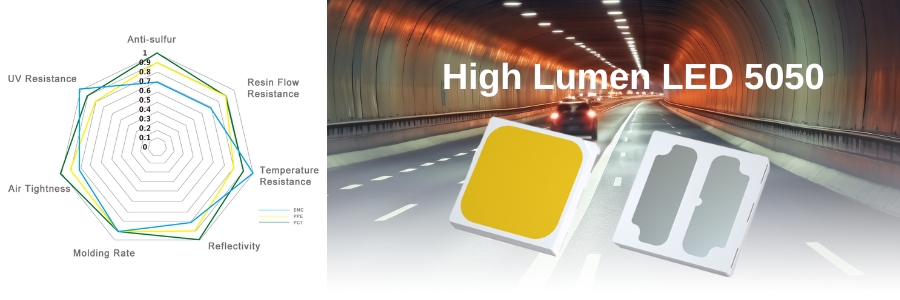
Table of Contents